7 steps to low cortisol aim in Valorant that actually work
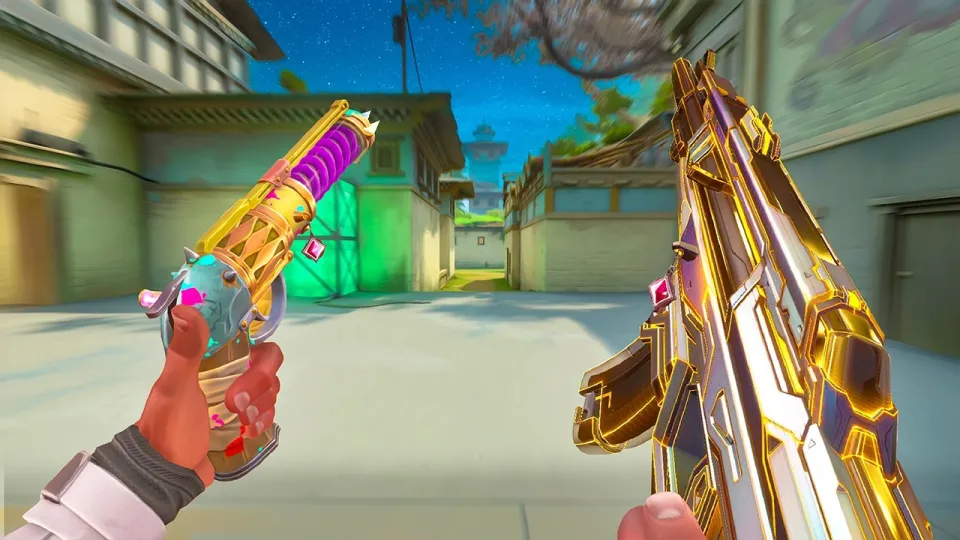
Video: low cortisol aim..
Need articles like this for your video? They help promote it on YouTube and Google — order them in the Telegram bot @sat_sit_bot. Articles with your video embedded are written and posted by the bot itself — on popular topical sites (no ads). Try it free: 50 articles on us.
· based on the channel Rawzu
Valorant low cortisol aim is a relaxed, repeatable way of aiming where you keep your hand loose, your crosshair pre-placed and your decisions calm instead of chasing panic flicks. The concept, popularized by creator Rawzu in a Phoenix gameplay edit, treats aim as a byproduct of low tension, stable posture and smart positioning rather than raw reaction speed. If you want to optimize your PC for Valorant before testing any of this, start with the Hone optimization tool so frame drops never fake a bad aim day.
What low cortisol aim actually means in Valorant
Low cortisol aim is the practice of removing stress from your mechanics so your crosshair moves the same way every round. In Valorant, most missed shots come from tension: a clenched grip, a jerk on the mouse, a flick that overshoots because you expected to be surprised. Calm aim flips the order — you place the crosshair where the enemy must appear, hold an angle with a still hand and let the target walk into your shot.
The phrase borrows from the fitness world, where cortisol is the stress hormone. A player with low cortisol aim is not slow; they are unhurried. Their sensitivity is low enough to be forgiving, their posture is stable, and their mental stack is small because they already know where to look. Rawzu's Phoenix clips are a good reference point because the agent rewards exactly this style: you commit to a duel, you take space, and you do it without flinching.
The settings behind a calm Valorant setup
A calm aim style only works if your gear and sensitivity let your hand stay relaxed, and Rawzu's published configuration is a useful benchmark. The setup is deliberately conservative: a low effective sensitivity, a stretched resolution that widens targets, and a small static crosshair that never distracts from the target.
- Sensitivity: 400 DPI at 0.625 in-game, which is a low effective DPI that favors arm movement over wrist flicks
- Resolution: 1440x1080 stretched, which makes enemy models wider on screen
- Crosshair: 1-6-2-2, a compact static dot-and-line setup
- Mouse: Logitech G Pro X Superlight 2
- Mousepad: Artisan Zero Soft, a control-oriented cloth pad
- Monitor: Zowie XL2566K at 360Hz
Every one of those choices reduces noise. A control pad slows micro-corrections, a low sensitivity forces deliberate movement, and a high refresh monitor makes tracking smoother so your brain stops guessing. Copying the exact numbers is optional; copying the logic is not.
7 steps to build low cortisol aim in Valorant
These seven steps turn the idea into a routine you can run in deathmatch and ranked queues. Each one targets a different source of tension, so work through them in order rather than chasing a single magic setting.
- Lower your effective sensitivity until flicks feel boring. If your crosshair overshoots on small targets, drop the number and give yourself a week before judging it.
- Fix your posture and grip. Sit square to the desk, keep the forearm supported, and hold the mouse with fingers loose enough that someone could pull it from your hand.
- Pre-aim every angle before you peek. Calm aim is mostly crosshair placement: the shot should require a small correction, not a full swing.
- Breathe out as you take the duel. A slow exhale on the peek keeps your shoulders from locking up at the exact moment you need precision.
- Warm up with tracking and micro-correction drills, not flick shots. Five to ten minutes of smooth tracking teaches your hand to stay quiet.
- Stop re-peeking after a trade. Most panic comes from re-entering an angle you already lost; reset, reposition, and hold something new.
- Review one clip per session and count the shots you took while tense. Naming the moment is how you stop repeating it.
Why Phoenix fits the calm aim style
Phoenix is an offensive duelist built to hunt enemies and cripple their ability to fire back, which makes him a natural fit for a low-stress aim approach. His Blaze wall blocks vision and deals damage, so you can cross open ground without exposing yourself to three angles at once. Curveball blinds enemies even when they hide behind corners, which means you enter a fight with the enemy's crosshair already broken.
Hot Hands gives Phoenix self-healing and area denial, and the Run it Back ultimate lets him take a risky duel with a free reset if it goes wrong. Together those tools reduce the mental cost of aggression: you are not gambling, you are taking a fight you have already stacked in your favor. That is the same principle as calm aim — remove uncertainty first, then let mechanics handle the rest.
Movement, not just flicks: what viewers noticed
The most repeated reaction to Rawzu's Phoenix gameplay is that the movement stands out as much as the aim. Clean counter-strafing, wide swings timed with utility and confident off-angle positioning all make the crosshair look calmer because the player is never caught mid-correction. When your character stops before you shoot, your first bullet lands where the crosshair sits, and that single habit removes more missed duels than any sensitivity change.
A second recurring theme in the comments is surprise at how fast opponents appear in unusual spots, which is usually a positioning story rather than a reaction-time story. Players who hold predictable angles get pre-aimed; players who arrive from unexpected space force the enemy to make the correction. Calm aim and unpredictable movement feed each other.
Common questions about calm aim in Valorant
One frequent doubt is whether a low sensitivity makes you too slow to clear angles. In practice, low sensitivity costs very little in Valorant because most kills happen within a small angle around your crosshair, and the game rewards precise first bullets over wide flicks. Another common worry is that calm aim only works for players with expensive gear. A control mousepad and a stable desk help, but posture, crosshair placement and pre-aim matter far more than the model on your mouse.
Players also ask how long it takes to feel a difference. Most notice better consistency within one to two weeks of deliberate deathmatch practice, while the habit of not re-peeking takes longer because it is a decision-making change rather than a mechanical one. Finally, viewers often ask whether the style suits aggressive agents. It does: Phoenix, Reyna and Jett all benefit from entering fights with utility first and a relaxed hand second.
Useful links
Final thoughts on staying calm in Valorant
Low cortisol aim is less about a secret sensitivity and more about removing every reason for your hand to tense up: a stable setup, a pre-placed crosshair, utility that breaks the enemy's aim first and a decision to reset instead of re-peek. Rawzu's Phoenix footage works as a demonstration because the calm comes through in the movement before it shows in the crosshair. Set your gear and sensitivity once, then spend your practice time on posture, pre-aim and breathing rather than on constant tweaking. If frame stutter is part of your problem, run the Hone optimization for Valorant before you blame your aim. Watch more of Rawzu's calm aim clips on the channel for a reference point, then build your own routine around the seven steps above.
Key takeaways
- Rawzu runs 400 DPI at 0.625 sensitivity on a 1440x1080 stretched resolution with crosshair 1-6-2-2.
- Hardware in the setup: Logitech G Pro X Superlight 2, Artisan Zero Soft pad, Zowie XL2566K at 360Hz.
- Phoenix combines Blaze walls, Curveball blind, Hot Hands and the Run it Back ultimate for aggressive duels.
- Viewers flagged the movement and off-angle positioning as the standout, not just the flick speed.
- Low cortisol aim means relaxed hands, stable posture and pre-aim instead of panic reactions.
Source: low cortisol aim.. · Markdown version
Questions & answers
What does low cortisol aim mean in Valorant?
It describes a relaxed aiming style where your hand stays loose, your crosshair is pre-placed and your decisions are unhurried. The goal is to remove tension and panic flicks so your mechanics repeat consistently from round to round. It is a mindset and setup philosophy, not a specific sensitivity value.
Do I need Rawzu's exact settings to aim calmly?
No. His 400 DPI at 0.625 sensitivity, 1440x1080 resolution and 1-6-2-2 crosshair are a useful benchmark, but the underlying logic matters more. A low effective sensitivity, a control mousepad and a small static crosshair all reduce noise, and you can reach the same effect with your own numbers.
How long does it take to see improvement from calm aim practice?
Most players notice better consistency within one to two weeks of deliberate deathmatch practice focused on tracking, pre-aim and not re-peeking. Mechanical habits like counter-strafing settle faster than decision-making habits, so expect the positioning side to take longer than the crosshair side.
Why does Phoenix suit a calm aim playstyle?
Phoenix enters fights with tools that break the enemy's aim first: Blaze blocks vision and deals damage, Curveball blinds even behind corners, and Run it Back gives a free reset on a risky duel. That reduces uncertainty before the shot, which is exactly what calm aim depends on.